The Growing Risk of Uncontrolled Document Sharing
Sharing information has never been easier.
With a few clicks, organizations can send contracts, proposals, engineering drawings, financial reports, project documents, and customer information anywhere in the world.
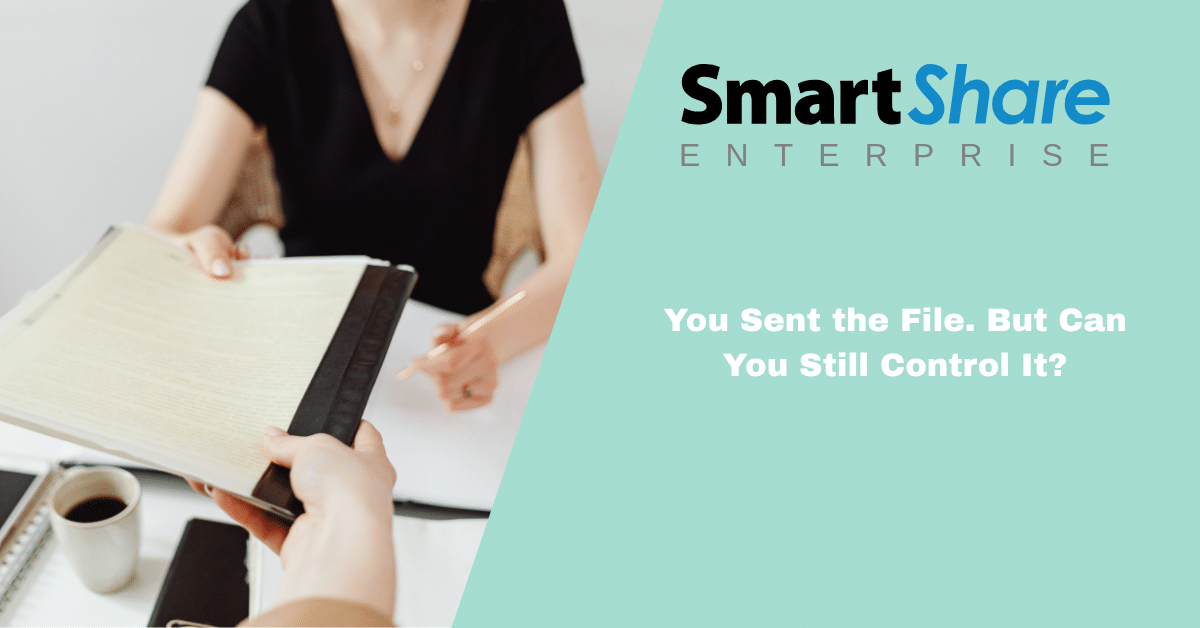
But once the document leaves your organization, an important question remains:
Can you still control it?
For many organizations, the answer is no.
The Visibility Problem
Traditional document-sharing methods typically include:
- Email attachments
- Cloud storage links
- Messaging platforms
- File transfer services
While these tools are convenient, they provide very little visibility once a file has been shared.
Organizations often lose the ability to answer critical questions such as:
- Who opened the document?
- How many times was it viewed?
- Was it downloaded?
- Was it forwarded?
- Should access still be active?
Without visibility, organizations expose themselves to unnecessary security and compliance risks.
Why This Matters More Than Ever
Modern businesses collaborate extensively with:
- Customers
- Vendors
- Contractors
- Consultants
- Regulatory authorities
- Business partners
As collaboration increases, so does the volume of sensitive information being shared externally.
Unfortunately, many organizations continue to use tools that were never designed for secure document governance.
The Risks of Uncontrolled Sharing
When document sharing is unmanaged, organizations may face:
Security Risks
Sensitive information can be distributed beyond intended recipients.
Compliance Challenges
Organizations may struggle to demonstrate proper control of regulated information.
Intellectual Property Exposure
Technical documentation, commercial data, and proprietary information may be shared without authorization.
Lack of Accountability
There is often no visibility into how documents are being used after they are sent.
How SmartShare Enterprise Solves the Problem
SmartShare Enterprise provides organizations with control over documents long after they have been shared externally.
Controlled Access
Organizations can define:
- View-only permissions
- Download restrictions
- User-specific access rights
- Time-based access controls
Automatic Expiry Dates
Access can automatically expire after a specified period, reducing long-term exposure risks.
Document Activity Tracking
Organizations gain visibility into:
- Document views
- Downloads
- Access history
- User activity
Watermarking and Security Controls
Additional security measures help reduce unauthorized distribution and misuse.
Complete Audit Trails
Every interaction is recorded, supporting compliance, accountability, and governance requirements.
The Business Benefits
Organizations gain:
- Greater document security
- Improved compliance readiness
- Better control of sensitive information
- Increased accountability
- Reduced sharing risks
Conclusion
Sharing documents is easy.
Maintaining control over them is the real challenge.
Organizations need more than file-sharing capabilities.
They need visibility, governance, and security.
SmartShare Enterprise enables organizations to collaborate confidently while maintaining control of their most valuable information assets.